


Kansas City winters bring snow, freezing temperatures, and big questions for homeowners planning exterior painting. One of the most common is whether you can paint a house after it snows. The short answer is yes, but only when the right conditions are met. Timing, temperature, moisture levels, and surface prep all matter, especially in the Kansas City climate.
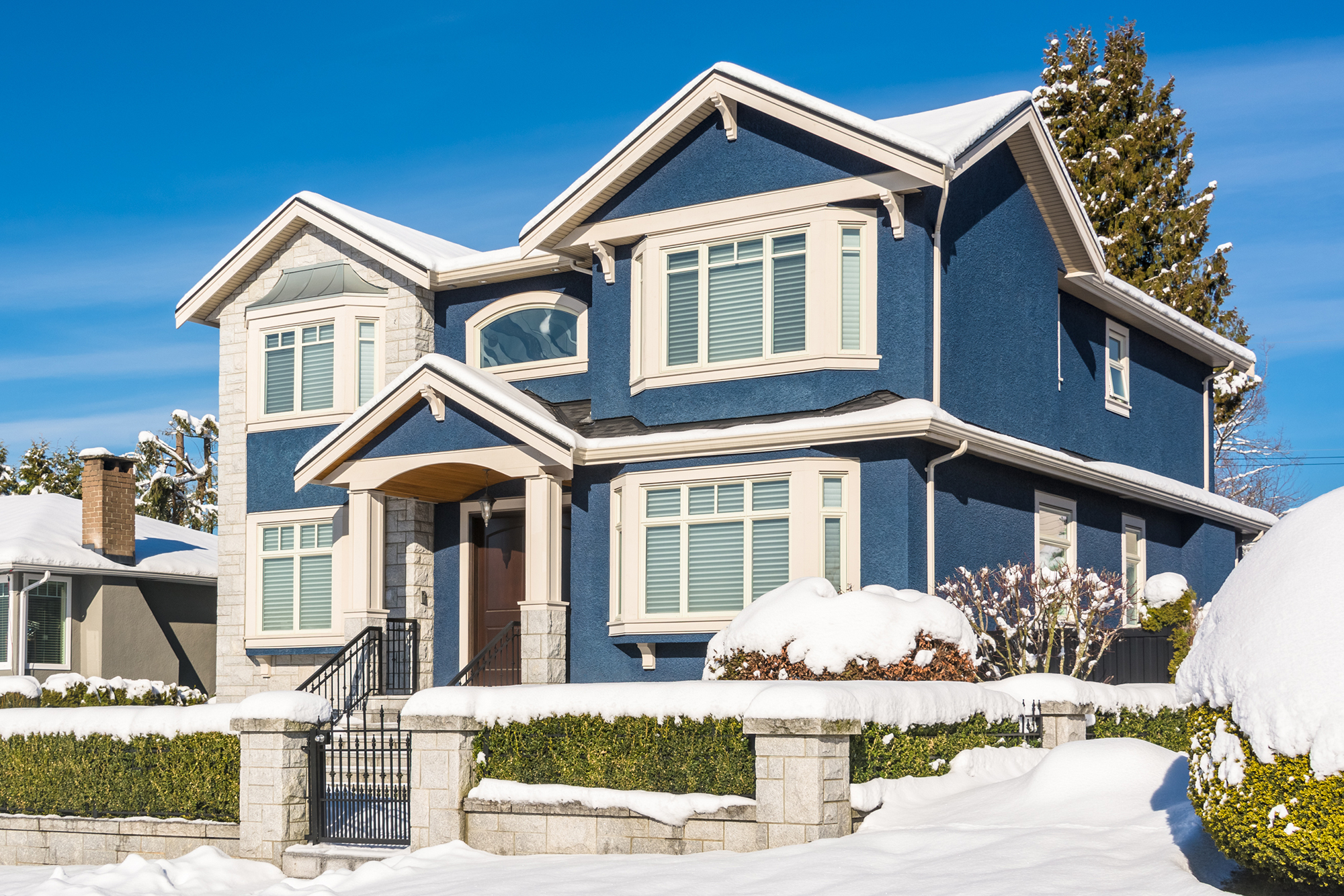
Below is a clear, local guide to help you decide when it’s safe to paint and when it’s better to wait.
Does Snow Automatically Prevent Exterior Painting?
Snow itself is not the problem. The real issues are moisture and temperature. After a snowfall, siding, trim, and masonry can retain moisture longer than you might expect. Painting over damp surfaces can cause adhesion failure, bubbling, or peeling later.
In Kansas City, snow is often followed by sunny but cold days. Those days can be workable if surfaces are fully dry and temperatures stay within paint specifications.
Temperature Requirements for Painting After Snow
Most exterior paints require:
- Air temperature: 50°F or higher
- Surface temperature: At least 5°F warmer than the air
- Overnight lows: Above freezing for 24–48 hours after application
Most exterior paints require air and surface temperatures to stay above 50°F for proper curing. Some newer low-temperature formulas can be applied in colder conditions, but they still require stable weather to cure correctly. According to Behr, cold weather can slow drying times and affect adhesion if temperatures drop too low during or after application. Some modern low-temperature paints can be applied down to 35°F, but they must still cure properly. If temperatures dip too low overnight, the paint may not bond correctly.
How Long Should You Wait After Snow?
There is no single answer, but in Kansas City conditions, homeowners should typically wait:
- 1–2 dry, sunny days after light snow
- 3–5 days after heavier snowfall or ice
South-facing walls dry faster than shaded or north-facing areas. Gutters, trim, and wood siding may hold moisture longer and need extra time.
Why Painting Too Soon After Snow Causes Problems
Painting before surfaces are ready can lead to:
- Peeling or flaking paint
- Bubbling and blistering
- Uneven color or sheen
- Reduced lifespan of the paint job
These issues often do not appear immediately. Many homeowners notice problems weeks or months later when repairs are more costly.
Can Winter Painting Ever Be a Good Idea in Kansas City?
Yes, when done correctly. Late winter and early spring often provide:
- Lower humidity levels
- Less pollen and dust
- More flexible scheduling
Professional painters monitor surface moisture, weather patterns, and curing times to take advantage of short warm windows safely.
Interior Painting Is Always an Option
If exterior conditions are not ideal, winter is an excellent time for:
- Interior walls and ceilings
- Trim and doors
- Cabinet painting
Interior projects allow homeowners to make progress without weather risks and prepare for exterior updates later in the year.
Should You DIY or Hire a Professional?
Painting after snow requires experience with:
- Moisture testing
- Temperature tracking
- Product selection for cold weather
Professionals understand Kansas City’s freeze-thaw cycles and know how to protect your home’s exterior investment.
Talk to Unique Painting Before You Decide
If you are considering painting your home after snow, Unique Painting can evaluate your home, review current conditions, and recommend the safest timeline. Whether it’s an exterior project timed perfectly between winter storms or an interior refresh during the colder months, their team helps Kansas City homeowners avoid costly mistakes.
Contact Unique Painting today to schedule a free estimate and get expert guidance on your next painting project.